
Knee osteoarthritis can present differently from one person to another. Common symptoms include:

The muscles around your knee help support movement and control how your leg handles everyday loads. When pain reduces your activity, these muscles can lose strength, potentially making activities such as walking, getting up from a chair and climbing stairs more challenging.
A physiotherapist can prescribe progressive strengthening exercises for the quadriceps, hamstrings, hips and other relevant muscle groups.
Your program might begin with simple exercises that are comfortable for your current ability, then gradually progress as your strength and tolerance improve. The aim is to build capacity without unnecessarily aggravating your symptoms.
Stiffness can make bending and straightening your knee uncomfortable. Depending on your needs, physiotherapy may include mobility exercises, movement practice and appropriate hands-on techniques to help you move more comfortably.
Your physiotherapist can also assess how you walk, stand up from a chair, use stairs and perform other daily movements. Small adjustments to movement strategies or activity levels may make some tasks easier while you build strength.
It can be difficult to know whether to rest or keep moving when your knee hurts. Avoiding all activity may reduce your strength and fitness over time, while suddenly doing too much can trigger a flare-up.
Your physiotherapist can help you find a manageable balance. This may include pacing activities, spreading demanding tasks throughout the day, modifying exercise temporarily and gradually returning to your usual routine.
Some temporary discomfort can occur when starting a new exercise program. However, severe or progressively worsening pain shouldn’t be ignored. Your exercises and activity levels may need to be adjusted if your symptoms remain significantly aggravated.
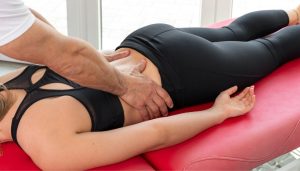
Depending on your assessment, physiotherapy may include hands-on techniques to address associated stiffness or discomfort and support movement.
These techniques are generally used alongside active rehabilitation rather than as a replacement for exercise. Exercise and self-management strategies remain important because they help you develop the strength and capacity needed for everyday activities.
Your physiotherapist will explain the purpose of any recommended treatment and consider your preferences, symptoms and medical history.
Knee osteoarthritis doesn’t automatically mean you need to give up walking, cycling, swimming, gardening or other activities you enjoy.
Your physiotherapist can help you choose suitable starting points and build up gradually. For example, if a long walk causes discomfort, shorter walks with planned breaks may be a more manageable option while you improve your capacity.
Your plan can also address specific goals, such as getting up from the floor, returning to recreational sport, managing stairs or standing for longer periods at work.
Progress is measured by more than pain alone. Improvements in walking distance, strength, confidence and the ability to complete daily tasks can also be meaningful signs of progress.

North Melbourne, 154 Peel Street

Yarraville, 231 Hyde Street

Surrey Hills, 296A Canterbury Road
MyoFitness accepts NDIS funding for physiotherapy, myotherapy, remedial massage, and psychology.


