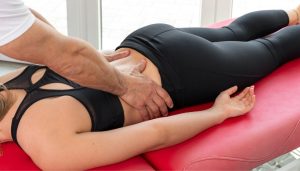
Neck pain and that tight band across the shoulders is the price a lot of us pay for desks, phones and stress. Most of it isn’t serious, and it responds well to targeted treatment and the right exercises.
We run myotherapy from our North Melbourne clinic at 154 Peel St, North Melbourne, a short trip from Carlton and the surrounding suburbs. Open seven days, no referral needed, and it’s commonly claimable through private health extras cover.
Myotherapy is hands-on treatment focused on the muscles, joints and soft tissues, and on the tension patterns that cause pain. Because so much jaw trouble comes down to overworked jaw muscles from clenching and grinding, plus the neck tension that tags along, it’s a natural fit for TMJ problems.
A myotherapist doesn’t just chase the sore spot. We look at how your jaw moves, how your neck and posture are loading it, and what’s driving the tension in the first place, then build a plan around all of that.
Myotherapy is a hands-on allied health therapy for muscle and movement-related pain. A myotherapist assesses the whole picture to find what’s really driving your symptoms, then uses soft tissue treatment, trigger point and myofascial techniques, dry needling where suitable, joint mobilisation and tailored exercise.
A typical session blends soft-tissue release, trigger point and myofascial techniques, dry needling where it suits you, some joint mobilisation, and a couple of exercises to hold the gains. Because it’s assessment-led, you leave with a clear read on what’s going on and a plan, not just a pleasant hour on the table.
Stop guessing and get it assessed. A proper assessment tells you what’s actually driving your pain and what to do about it. No referral needed, open seven days.
Myotherapy can help manage many muscle and joint concerns, but some symptoms need medical assessment first. Knowing when to see a doctor helps you choose the safest next step and ensures you receive the right care for your condition.
If your pain follows a significant fall, accident or other injury, seek medical assessment before starting myotherapy. A doctor can check for fractures or other injuries that may require specific treatment.
If your pain persists, keeps returning or gets worse despite rest and self-care, it’s worth having it assessed. Identifying the underlying cause can help determine whether myotherapy is an appropriate option.
Seek urgent medical attention for new or worsening numbness, pins and needles or muscle weakness. Swelling accompanied by redness, warmth and fever, or sudden, severe or unexplained symptoms, also requires prompt medical assessment.
A thorough assessment helps establish what may be contributing to your pain and whether hands-on treatment is suitable. Your myotherapist can discuss your symptoms and recommend medical review when necessary.
Myotherapy may complement medical care for suitable muscle and joint conditions. If your symptoms warrant further investigation, we’ll recommend that you consult your GP or another appropriate healthcare professional.
Not sure whether myotherapy is right for your symptoms? The MyoFitness team can discuss your concerns and help you understand the next steps. Book an appointment with MyoFitness to explore suitable treatment options. A referral is generally not required for a private myotherapy appointment, although some funding arrangements may have specific requirements.
Our North Melbourne (154 Peel St) and Yarraville (231 Hyde St) Surrey Hills at 296A Canterbury Road clinics are easy to reach from across the area, including:
MyoFitness also operates clinics in North Melbourne at 154 Peel Street and Surrey Hills at 296A Canterbury Road. All three clinics offer Watson Headache® Approach assessment and treatment for migraine.
Three well-established clinics across North Melbourne, Yarraville, and Surrey Hills, each delivering the same standard of clinical care.
A clinical team spanning remedial massage, myotherapy, physiotherapy, lymphatic drainage, and psychology under one roof.
Recognised for clinical outcomes, patient experience, and professional standards across the allied health industry.
Every session begins with a clinical assessment. Treatment is directed at the actual cause of your pain, not just the location where you feel it.