

Physiotherapy is a regulated, degree-qualified health profession focused on restoring physical function and reducing pain across the full spectrum of musculoskeletal, neurological, and cardiorespiratory conditions. At Myofitness, physiotherapy is delivered with a strong clinical assessment framework at its core — because the accuracy of what happens in the first appointment determines the quality of everything that follows.
Our physiotherapists assess your biomechanics, movement quality, neurological status, joint integrity, and tissue condition in detail before any hands-on treatment begins. This assessment is not generic. It is specific to your presentation and your history, and it generates a clinical picture that informs every treatment decision: which technique, at which level, in which sequence, and how aggressively to progress.
You will always know what your assessment found, what your treatment plan involves, and what realistic progress looks like. That clinical transparency is part of the standard at every Myofitness clinic. And where your condition requires input beyond physiotherapy alone, our practitioners coordinate with myotherapists, psychologists, lymphatic therapists, and external specialists within a network built to support complete care.
Task-specific training and neuroplasticity-based programs to restore movement, strength, balance, and functional independence. Early, intensive, and well-structured rehabilitation produces significantly better outcomes than passive or delayed recovery approaches.
Exercise is among the highest-evidence interventions for Parkinson’s disease. Physiotherapy targets gait, balance, rigidity, and falls risk through programs proven to slow functional decline and maintain quality of life. LSVT BIG principles applied where indicated.
Management of fatigue, spasticity, weakness, and balance across the full spectrum of MS presentation. Programs are designed around current functional status and adapted as the condition evolves, with a central focus on maintaining independent mobility.
Rehabilitation addressing motor, balance, and coordination deficits following traumatic or acquired brain injury. Treatment is tailored to the specific areas of neurological disruption identified at assessment.
Assessment and treatment of dizziness, vertigo, and balance problems originating from the vestibular system. Peripheral and central causes are distinguished at assessment and addressed through targeted vestibular rehabilitation exercises.
Assessment of the sensory, motor, and environmental contributors to falls risk, with a targeted prevention program addressing each identified factor. Particularly valuable for older adults and those with neurological conditions.
Headache, dizziness, and fatigue persisting beyond the expected recovery window often have identifiable cervical and vestibular contributors. Physiotherapy assesses and addresses both components systematically.
Rehabilitation addressing sensory changes, weakness, and balance deficits resulting from impaired peripheral nerve signalling. Assessment maps the distribution and severity to guide a targeted rehabilitation plan.
Whether it is morning stiffness, pain radiating into your limbs, or a pattern that has been present so long you have stopped noticing it, musculoskeletal pain has a structural driver. Myofitness physiotherapists identify it and treat it directly.
The quality and intensity of rehabilitation in the weeks and months following stroke or acquired brain injury significantly influences long-term recovery. Myofitness physiotherapy applies neuroplasticity principles through goal-specific programs built around your current capacity.
Dizziness and balance difficulty have multiple possible origins including the inner ear, brainstem, cervical spine, and central nervous system. A physiotherapist with vestibular training can distinguish between them and apply the appropriate targeted intervention.
Physiotherapy is one of the most evidence-supported interventions for both conditions. Exercise and targeted rehabilitation slow functional decline, reduce falls risk, and support independence. Programs are adapted as the condition evolves.
Post-surgical rehabilitation requires precise, progressive loading through stages that account for tissue healing timelines and neurological reintegration. If recovery has plateaued, assessment will identify why and what the next phase of treatment needs to address.
Long-standing pain often involves both peripheral structural drivers and central sensitisation. Myofitness physiotherapists assess both, combining hands-on treatment with a clinical understanding of how persistent pain is maintained — and how to interrupt it.
Serving: Flemington, Kensington, Parkville, Carlton, West Melbourne, Ascot Vale
Serving: Footscray, Kingsville, Seddon, Spotswood, Williamstown, Newport
Detailed history, movement analysis, postural assessment, neurological screening where indicated, and palpation to identify not just where the problem is, but what is driving it and why.
Clear goals, defined frequency, expected milestones, and an honest picture of what physiotherapy can achieve for your specific presentation — explained before any treatment begins.
Manual therapy, dry needling, joint mobilisation, neurological re-training, and therapeutic exercise in combination — selected from your assessment findings, not from a default routine.
Practical home exercise, postural guidance, and education to maintain progress between sessions and reduce the likelihood of recurrence beyond the treatment block.
Effective physiotherapy is built on clinical understanding of what is actually driving your condition. At Myofitness, no treatment begins before a thorough assessment of your history, movement patterns, neurological status, and contributing factors. This is not a formality. It is the clinical act that determines whether treatment will produce a lasting result or temporary relief.
The assessment tells us which techniques apply, in which sequence, and at what intensity. It distinguishes neurological weakness from muscular inhibition. It identifies whether pain is driven by tissue damage, central sensitisation, or postural load. It reveals the compensation patterns that have developed around a problem, which are often as important to address as the original injury.
Your treatment plan is explained to you in full before it starts. You will always know what we found, what we are doing, and why. That transparency builds the clinical partnership that effective physiotherapy requires.

No two physiotherapy presentations are identical. The structures involved, the degree of neurological disruption or musculoskeletal compensation, and the appropriate treatment approach all vary between individuals even when the diagnosis appears the same. This is why assessment drives everything at Myofitness, not a standard protocol applied uniformly.
For neurological conditions in particular, the ability to identify precisely how the nervous system is affected, and to design a program that works with the way the brain reorganises and adapts over time, is what determines whether rehabilitation produces lasting functional change or temporary symptomatic improvement.
At Myofitness, our physiotherapists bring extensive clinical experience across both musculoskeletal and neurological presentations. That breadth of experience is what allows us to see the full clinical picture and treat it with the precision it deserves — at every appointment, at every one of our three Melbourne clinics.
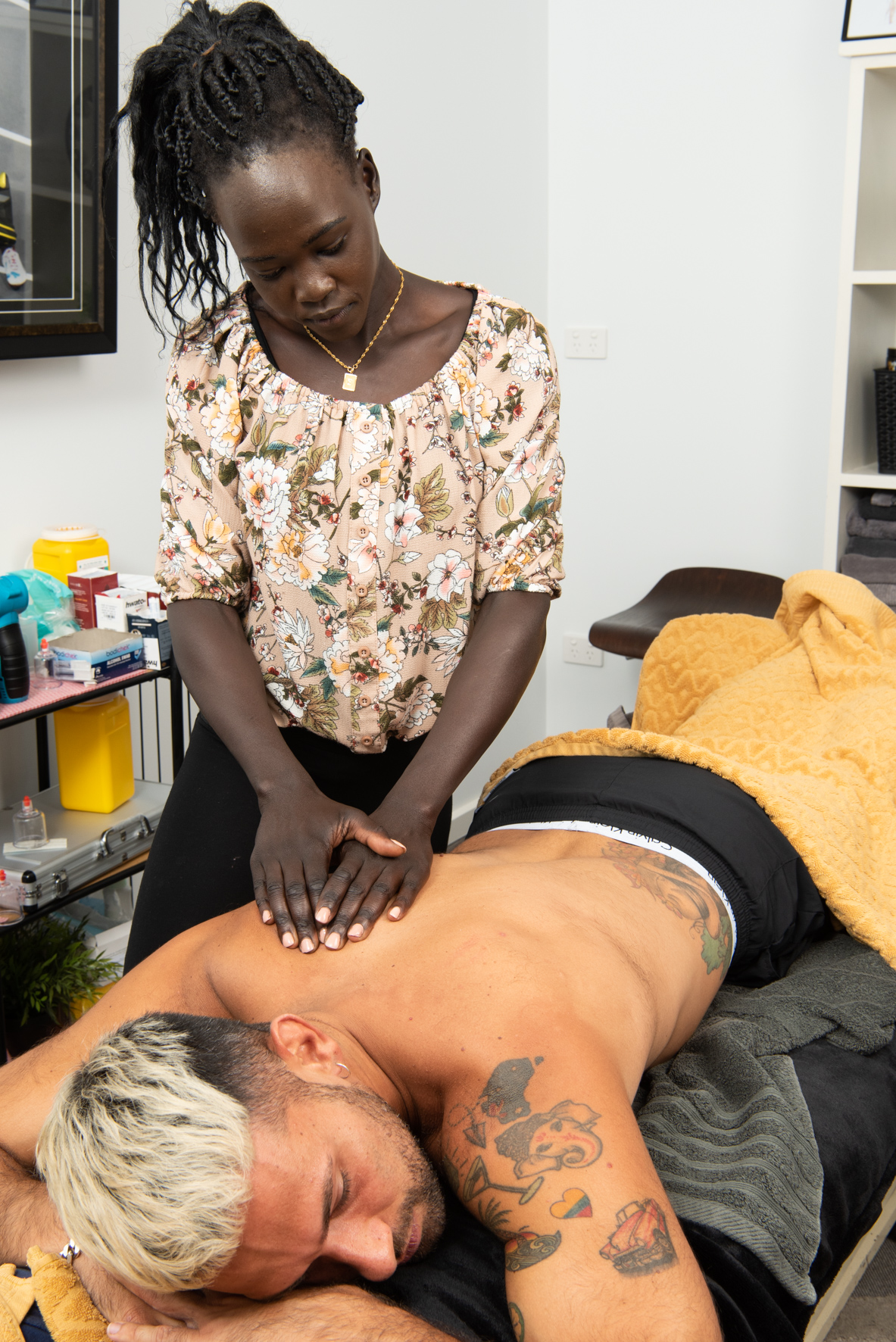

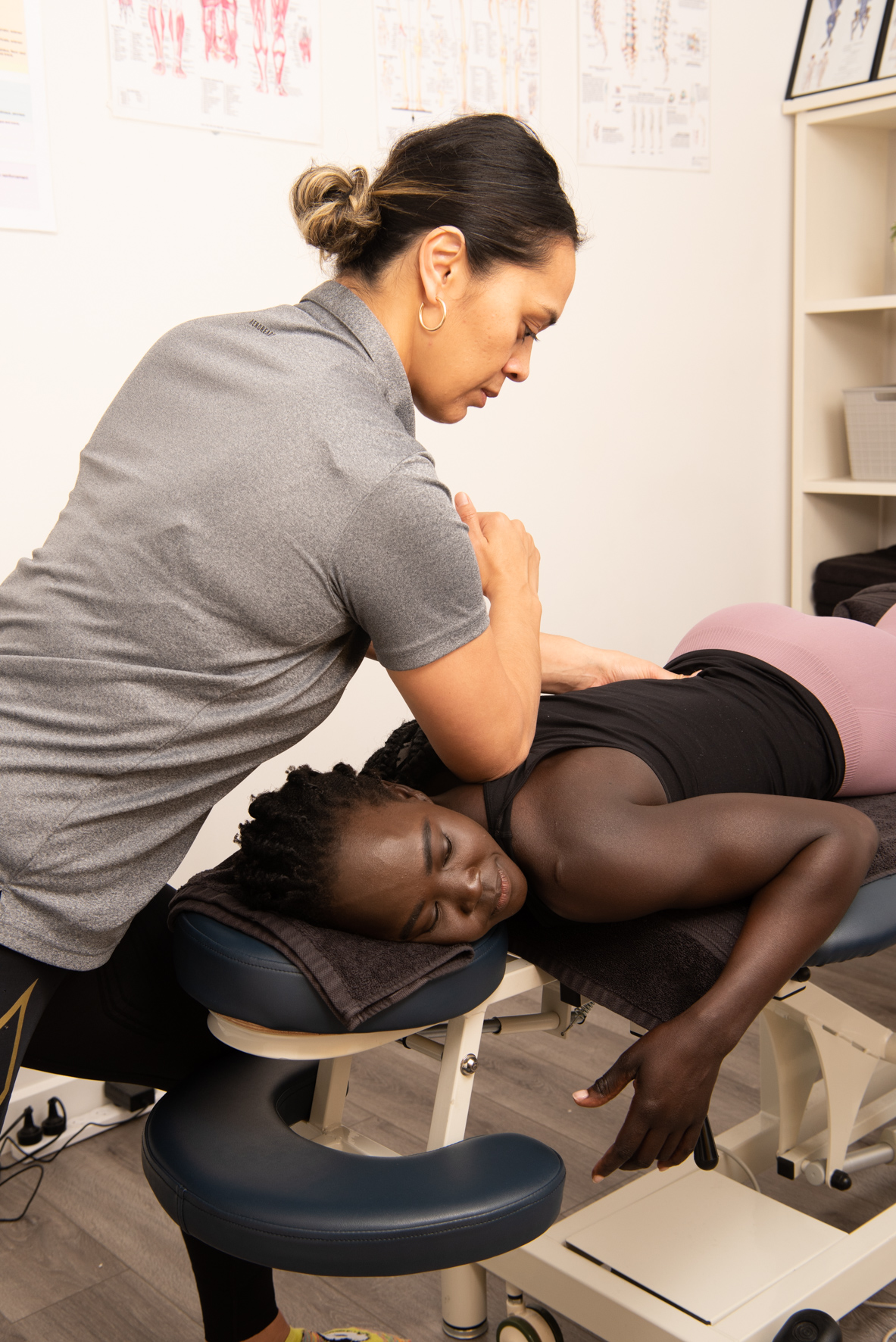
Your first appointment begins with a detailed clinical history — your current complaint, how long it has been present, what makes it better or worse, your occupation, previous treatment, and relevant medical background. This is followed by a physical assessment including postural analysis, movement testing, strength and neurological screening, and hands-on palpation to identify the structures involved. Your physiotherapist then explains exactly what they found and what the treatment plan will look like before any hands-on treatment begins. You leave knowing your diagnosis, your plan, and what to expect over the coming sessions.
Using gentle hands-on assessment and treatment, your clinician identifies whether the joints and muscles in your upper neck are contributing to your headaches. If appropriate, treatment aims to reduce pain, improve neck movement and help decrease the frequency and intensity of headaches.
No referral is needed. You can book directly at any of our three clinics by phone or online. A referral is only required if you want to access Medicare rebates under a Chronic Disease Management plan, in which case your GP will need to prepare a care plan and referral before your appointment. For private health, TAC, WorkCover, and NDIS, you can book directly — though TAC and WorkCover require funding approval documentation before your first appointment.
Both are degree-qualified disciplines with strong clinical assessment frameworks and overlapping manual therapy techniques. Physiotherapy is a registered health profession under AHPRA and carries broader scope of practice, particularly in neurological rehabilitation, post-surgical care, cardiorespiratory conditions, and access to Medicare CDM rebates. Myotherapy focuses more specifically on musculoskeletal pain and dysfunction with a strong emphasis on soft tissue assessment and treatment, dry needling, and corrective exercise. At Myofitness, both disciplines work alongside each other and your practitioner will recommend the most appropriate service for your presentation.
We use HICAPS at all three clinics for on-the-spot private health claiming. Most private health extras policies include physiotherapy — the specific rebate depends on your fund and level of cover. Medicare rebates of up to five sessions per year are available under a GP Chronic Disease Management plan. TAC and WorkCover cover approved physiotherapy under their plans. NDIS funding covers physiotherapy under capacity building supports. We recommend calling us before your first appointment to confirm your specific funding situation.
This depends entirely on your presentation and your goals. An acute sporting injury that is responding well may require only two to four sessions. A chronic condition that has been present for years, or a neurological rehabilitation program, requires a longer and more structured approach. At your initial assessment, your physiotherapist will give you an honest and specific picture of what is realistic for your situation — including how frequently we recommend treatment, what milestones to expect, and what your role in the process will be.
Yes. Neurological physiotherapy is available at Myofitness and covers stroke rehabilitation, Parkinson’s disease, multiple sclerosis, acquired brain injury, vestibular dysfunction, peripheral neuropathy, persistent post-concussion symptoms, and balance and falls prevention. Neurological presentations require a different assessment framework and rehabilitation approach from standard musculoskeletal physiotherapy. If you have a specific neurological condition, call us before booking so we can confirm the right practitioner and clinic for your needs.
Book at whichever clinic is most convenient for you — North Melbourne, Yarraville, or Surrey Hills. All three clinics maintain the same clinical standard and offer the same physiotherapy services. If you have a specific complex or neurological presentation, call us first so we can confirm the right practitioner is available at your preferred location.
We aim to offer same-week appointments at all three clinics. Book online through the booking link on this page or call us directly on 03 9028 4087 and we will find the earliest available time at your preferred location. If your situation is urgent, mention it when you call and we will do our best to prioritise your appointment.
Evidence-based physiotherapy for musculoskeletal and neurological conditions across Melbourne. No referral required. Same-week appointments usually available.
