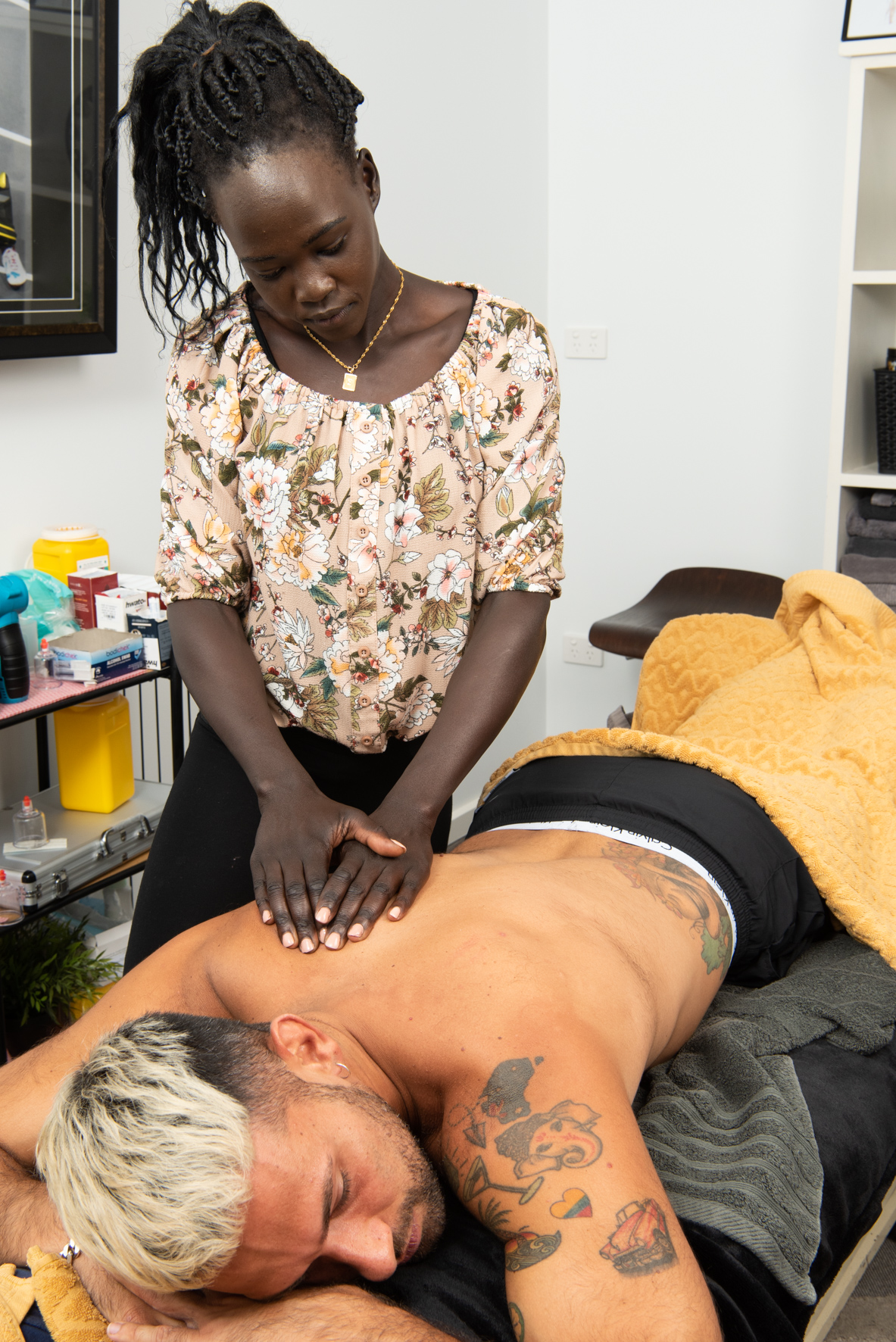
Swelling, known medically as oedema, is the build up of fluid in the soft tissues of the body. It can leave an area feeling heavy, tight, achy and stiff, and it can make everyday movement genuinely uncomfortable. At MyoFitness in Melbourne, we treat swelling using manual lymphatic drainage, a gentle, hands on technique that helps encourage excess fluid to move away from the affected area so you feel lighter, move more freely, and recover more comfortably.
Manual lymphatic drainage is very different to a firm sports or deep tissue massage. The pressure is soft, the pace is slow, and the strokes follow the natural pathways of your lymphatic system. Most people find it deeply relaxing, and it is suitable for a wide range of situations, from recovery after surgery to the general puffiness that builds up from long days on your feet.
How Swelling Happens: The Lymphatic System Explained
Your body is constantly moving fluid through its tissues. Blood delivers nutrients and oxygen, and most of the returning fluid is carried back through your veins. The remaining fluid, along with proteins, waste products and immune cells, is collected by your lymphatic system, a network of fine vessels and lymph nodes that filters and returns it to your bloodstream.
When this system is overloaded, slowed, or disrupted, fluid collects in the tissues faster than the body can clear it. That is when visible, uncomfortable swelling appears. It can be short lived, such as a swollen ankle after a long flight, or more persistent, such as swelling that lingers after surgery or an injury.
Common Causes of Swelling We See
- Recovery after surgery
- Long periods of sitting or standing
- Post-mastectomy or lymph node changes
- Prolonged immobility or bed rest
- Sprains, strains and injuries
- Pregnancy and hormonal changes
- Circulatory and venous issues
- General fluid retention and puffiness
What the research says: Manual lymphatic drainage is a recognised part of Complete Decongestive Therapy, the standard conservative approach to managing lymphoedema. Reviews of the evidence suggest it can help reduce limb swelling, particularly in milder cases and when it is combined with compression and movement. The size of the benefit varies between studies, so we focus on realistic, individualised care rather than one size fits all promises.
A Gentle, Guided Technique
Your therapist uses light, rhythmic, repetitive strokes that follow the direction of lymph flow. The aim is to gently stimulate the lymphatic vessels and guide excess fluid towards the lymph nodes, where the body can process and clear it. The pressure is deliberately soft, because the lymphatic vessels sit very close to the surface of the skin and respond best to light touch.
A Session Tailored to You
Every session starts with a conversation. Your therapist will ask about your history, any surgery or medical conditions, and what you are hoping to achieve, then tailor the treatment to your situation. Sessions are unhurried and comfortable, and many people find them calming enough to drift off.
Support Between Visits
Good swelling management does not stop when you leave the clinic. We will give you simple, practical advice you can use at home, which may include gentle movement, positioning, skin care and, where appropriate, guidance on compression garments so the benefits of your treatment last longer.
Dealing with swelling that will not settle? Our therapists offer gentle, personalised manual lymphatic drainage across our Melbourne clinics. Book an assessment and we will tailor a plan to your situation.
Most swelling is harmless, but some types can be a sign of something that needs prompt medical care. Please see your GP or seek urgent medical attention before booking hands on treatment if any of the following apply to you.
Sudden swelling in one leg, especially with pain, warmth or redness, which can suggest a blood clot and needs urgent assessment.
New or unexplained swelling, swelling with fever, or swelling that is getting worse rather than better, all deserve a medical opinion first.
Swelling with chest pain, shortness of breath, or swelling that comes on very quickly, as these can signal a serious medical issue.
If your swelling has a medical cause, we are glad to provide supportive treatment alongside your GP or specialist, once they are happy for you to proceed.
Swelling that appears unexpectedly or changes noticeably should not be ignored. If swelling is increasing, persistent or accompanied by other symptoms, getting it medically assessed first can help identify the underlying cause and determine the safest treatment approach.
Some types of swelling may have an underlying medical cause and require ongoing medical management. Once your GP or specialist confirms that hands-on treatment is appropriate, MyoFitness can provide supportive therapy as part of your broader care plan.
With clinics in North Melbourne, Yarraville and Surrey Hills, our manual lymphatic drainage is easy to reach from right across the city and surrounding suburbs, including:
MyoFitness also operates clinics in North Melbourne at 154 Peel Street and Surrey Hills at 296A Canterbury Road. All three clinics offer Watson Headache® Approach assessment and treatment for migraine.
Three well-established clinics across North Melbourne, Yarraville, and Surrey Hills, each delivering the same standard of clinical care.
A clinical team spanning remedial massage, myotherapy, physiotherapy, lymphatic drainage, and psychology under one roof.
Recognised for clinical outcomes, patient experience, and professional standards across the allied health industry.
Every session begins with a clinical assessment. Treatment is directed at the actual cause of your pain, not just the location where you feel it.