Your Local Clinic

Knee Osteoarthritis Physiotherapy in Surrey Hills

Knee Osteoarthritis Physiotherapy in Surrey Hills: Stay Active and Move With Confidence

Knee pain, stiffness and difficulty climbing stairs can make everyday activities feel harder than they should. If you’ve been diagnosed with knee osteoarthritis, you might worry that walking, exercising, gardening or enjoying your favourite activities will become increasingly difficult. However, a diagnosis of knee osteoarthritis doesn’t mean you have to stop moving.
What the research says: A 2015 Cochrane review by Fransen and colleagues pooled 54 trials of land-based exercise for knee osteoarthritis. It found exercise reduced pain and improved function compared with no exercise, with modest, short to medium-term effects, comparable to some pain medications but without the side effects. It isn’t a cure, but it’s a core part of managing knee OA. Fransen M, et al. Cochrane Database Syst Rev. 2015;(1):CD004376. Read the full research paper

What Is Knee Osteoarthritis?

Knee osteoarthritis is a joint condition involving changes to the cartilage and other structures within and around the knee. It can affect how the joint moves and tolerates everyday loads. Symptoms may develop gradually and vary from day to day. Some people experience occasional discomfort after a long walk, while others have more persistent pain that affects work, exercise, sleep or household activities. The severity of symptoms doesn’t always correspond directly to what appears on an X-ray. Your symptoms, physical function, medical history and personal goals all matter when deciding how to manage the condition. Physiotherapy doesn’t reverse the structural changes associated with osteoarthritis. Instead, it focuses on improving strength, mobility, physical capacity and confidence so you can manage symptoms and continue doing the activities that matter to you.
Common Signs and Symptoms of Knee Osteoarthritis

Knee osteoarthritis can present differently from one person to another. Common symptoms include:

  • Knee stiffness: Your knee may feel stiff when you get out of bed or after sitting for an extended period.
  • Pain after activity: Walking, standing for long periods or exercising may increase discomfort.
  • Grinding or creaking: You may notice clicking, grinding or other sounds when bending
  • Swelling: The knee may become swollen or feel fuller after activity.
These symptoms can also occur with other knee conditions. A proper assessment can help determine whether osteoarthritis is the likely cause and whether further medical investigation is needed. Seek prompt medical assessment if your knee becomes suddenly very painful or significantly swollen, particularly if it is hot or red, you have a fever, or you cannot bear weight. These symptoms shouldn’t automatically be attributed to osteoarthritis.
NDIS Work-Related Injury Support in North Melbourne

How Physiotherapy Helps With Knee Osteoarthritis

Physiotherapy focuses on improving how your knee functions and helping you manage the activities that trigger discomfort. Treatment is tailored to your current abilities, symptom levels and goals. At MyoFitness Surrey Hills, your physiotherapy plan may include the following approaches, depending on your assessment.
  1. Strengthening the Muscles Around Your Knee

The muscles around your knee help support movement and control how your leg handles everyday loads. When pain reduces your activity, these muscles can lose strength, potentially making activities such as walking, getting up from a chair and climbing stairs more challenging.

A physiotherapist can prescribe progressive strengthening exercises for the quadriceps, hamstrings, hips and other relevant muscle groups.

Your program might begin with simple exercises that are comfortable for your current ability, then gradually progress as your strength and tolerance improve. The aim is to build capacity without unnecessarily aggravating your symptoms.

  1. Improving Mobility and Movement

Stiffness can make bending and straightening your knee uncomfortable. Depending on your needs, physiotherapy may include mobility exercises, movement practice and appropriate hands-on techniques to help you move more comfortably.

Your physiotherapist can also assess how you walk, stand up from a chair, use stairs and perform other daily movements. Small adjustments to movement strategies or activity levels may make some tasks easier while you build strength.

  1. Managing Pain and Activity-Related Flare-Ups

It can be difficult to know whether to rest or keep moving when your knee hurts. Avoiding all activity may reduce your strength and fitness over time, while suddenly doing too much can trigger a flare-up.

Your physiotherapist can help you find a manageable balance. This may include pacing activities, spreading demanding tasks throughout the day, modifying exercise temporarily and gradually returning to your usual routine.

Some temporary discomfort can occur when starting a new exercise program. However, severe or progressively worsening pain shouldn’t be ignored. Your exercises and activity levels may need to be adjusted if your symptoms remain significantly aggravated.

  1. Using Hands-On Treatment When Appropriate

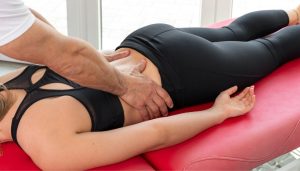
Depending on your assessment, physiotherapy may include hands-on techniques to address associated stiffness or discomfort and support movement.

These techniques are generally used alongside active rehabilitation rather than as a replacement for exercise. Exercise and self-management strategies remain important because they help you develop the strength and capacity needed for everyday activities.

Your physiotherapist will explain the purpose of any recommended treatment and consider your preferences, symptoms and medical history.

  1. Returning to Walking, Exercise and Everyday Activities

Knee osteoarthritis doesn’t automatically mean you need to give up walking, cycling, swimming, gardening or other activities you enjoy.

Your physiotherapist can help you choose suitable starting points and build up gradually. For example, if a long walk causes discomfort, shorter walks with planned breaks may be a more manageable option while you improve your capacity.

Your plan can also address specific goals, such as getting up from the floor, returning to recreational sport, managing stairs or standing for longer periods at work.

Progress is measured by more than pain alone. Improvements in walking distance, strength, confidence and the ability to complete daily tasks can also be meaningful signs of progress.

Stop guessing and get it assessed. A proper assessment tells you what’s actually driving your pain and what to do about it. No referral needed, open seven days.

How Your Knee Osteoarthritis Physiotherapy Assessment Works

At MyoFitness Surrey Hills, we take an individualised approach to understanding your knee pain and planning appropriate care.

See your doctor

If your pain follows a significant injury, or simply isn’t improving, it’s worth having it properly assessed.

Seek urgent care

Numbness, pins and needles or weakness, swelling with redness, warmth and fever, or any sudden, severe or unexplained symptoms need prompt medical attention.

Start the right way

A proper assessment tells us what’s going on and whether hands-on care is the right first step for you.

A team approach

We’ll let you know if a medical opinion is warranted and coordinate with your GP. No referral needed to start with us.

Build Strength and Monitor Progress

As your tolerance improves, your exercises can be adjusted to help you gradually increase strength and activity.

Develop a Treatment Plan

Following your assessment, your physiotherapist will explain the findings and discuss appropriate options.

Book an assessment with MyoFitness in around Footscray, Williamstown , Altona North & Newport

Our North Melbourne (154 Peel St) and Yarraville (231 Hyde St) Surrey Hills at 296A Canterbury Road clinics are easy to reach from across the area, including:
Knee Osteoarthritis South Kingsville
Knee Osteoarthritis Yarraville
Knee Osteoarthritis Williamstown North
Knee Osteoarthritis Kingsville
Knee Osteoarthritis Seddon
Knee Osteoarthritis Williamstown
Knee Osteoarthritis Altona North
Knee Osteoarthritis West Footscray
Knee Osteoarthritis Brooklyn
Knee Osteoarthritis Altona
Knee Osteoarthritis North Melbourne
Knee Osteoarthritis Surrey Hills

Inside the MyoFitness Yarraville Clinic

MyoFitness also operates clinics in North Melbourne at 154 Peel Street and Surrey Hills at 296A Canterbury Road. All three clinics offer Watson Headache® Approach assessment and treatment for migraine.
Oncology massage near me

North Melbourne, 154 Peel Street

Yarraville, 231 Hyde Street

Surrey Hills, 296A Canterbury Road

Serving Surrey Hills, West Melbourne, Spotswood, Williamstown , Altona North & Newport

Established Melbourne Clinics

Three well-established clinics across North Melbourne, Yarraville, and Surrey Hills, each delivering the same standard of clinical care.

Multi-Disciplinary Team

A clinical team spanning remedial massage, myotherapy, physiotherapy, lymphatic drainage, and psychology under one roof.

Australian Industry Awards

Recognised for clinical outcomes, patient experience, and professional standards across the allied health industry.

Assessment-Led Treatment

Every session begins with a clinical assessment. Treatment is directed at the actual cause of your pain, not just the location where you feel it.

Why Choose MyoFitness

Three convenient clinics in North Melbourne (154 Peel St) and Yarraville (231 Hyde St) Surrey Hills at 296A Canterbury Road
Whole-picture care for the neck, head and jaw, not just the sore spot
Evidence-informed treatment combining manual therapy, dry needling and exercise
Honest guidance, including referral to a doctor when a headache needs medical assessment
Open seven days, with no referral needed to book

Frequently Asked Questions

We’re just down the road, at 296A Canterbury Rd, Surrey Hills, easy to reach from Box Hill by car or public transport. A handy local option for physiotherapy.
No referral needed. Physiotherapy is commonly claimable through private health extras cover, and we can process the rebate on the spot where your fund allows.
Yes. Post-surgical rehab is a big part of what we do, working within your surgeon’s guidelines and alongside your medical team to get you moving safely again.
Yes, we’re open seven days, including Saturdays and Sunday mornings, so it’s easier to fit a visit around work and family.
Walking is often suitable for people with knee osteoarthritis, provided the duration and intensity match their abilities. If longer walks aggravate your symptoms, try shorter distances or breaks and increase gradually as tolerated. A physiotherapist can help you determine a suitable starting point.
You can Book from MyoFitness Website Book from here and Get 10% Discount. Or Call Us.
Share this article
Facebook
LinkedIn

Our Locations

North Melbourne
Yarraville
Surrey Hills
Box Hill area

NDIS Registered Provider

MyoFitness accepts NDIS funding for physiotherapy, myotherapy, remedial massage, and psychology.