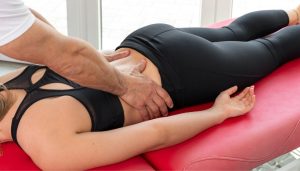
The gastrocnemius is a two-joint muscle that crosses both the knee and ankle. It’s responsible for plantar flexion (pointing your foot) and knee flexion, making it crucial for running, jumping, and climbing stairs. Gastrocnemius strains account for a significant proportion of lower leg injuries, particularly in runners. The muscle is prone to acute strain when eccentrically loaded—like when you land from a jump or accelerate suddenly—or to chronic tightness from repetitive running and insufficient recovery.
The gastrocnemius differs from the deeper soleus muscle (which we’ll cover separately). Understanding which muscle is injured or tight is essential for targeted treatment. Many people develop chronic gastrocnemius tightness that never fully resolves without proper myotherapy intervention, leading to ongoing calf pain, reduced ankle mobility, and altered running mechanics.
What the research says: Gastrocnemius strains are often undertreated. Runners frequently continue training on tight or partially strained calves, converting an acute injury into a chronic problem. Early intervention and proper rehabilitation return you to running faster and prevent compensation injuries.
The gastrocnemius originates from two heads above the knee (one on the medial condyle and one on the lateral condyle of the femur) and inserts onto the calcaneus via the Achilles tendon. Because it crosses two joints, it’s involved in both ankle and knee movement. This two-joint action makes it vulnerable to strain when both joints are stressed simultaneously- for example, landing from a jump with a bent knee, or accelerating uphill while running.
Research shows that gastrocnemius strains typically occur at the musculotendinous junction (where muscle meets tendon), particularly in the medial head. Studies published in the American Journal of Sports Medicine indicate that eccentric loading and insufficient strength relative to training load are primary risk factors. Tightness develops from chronically elevated tone, inadequate stretching, and myofascial restrictions within the muscle.
Why stretching alone doesn’t fix gastrocnemius tightness
Many runners stretch their calves regularly but experience persistent tightness. This occurs because stretching alone doesn’t address myofascial restrictions, trigger points, or fascial adhesions within the muscle tissue. Passive stretching may temporarily elongate the muscle, but it doesn’t resolve the underlying tightness or trigger points that maintain the problem.
Myotherapy assessment identifies exactly where restrictions and trigger points exist. Research on myofascial release techniques demonstrates that combining soft tissue release, dry needling, and progressive stretching produces superior outcomes compared to stretching alone. Treatment should also address calf strength and ankle mobility—weak calves are re-injury prone, and restricted ankle mobility alters biomechanics and perpetuates calf overload.
Calf strain or chronic tightness? MyoFitness provides evidence-based treatment combining soft tissue release, dry needling, and strength training. Assessment-driven, research-backed, return-to-running focused.
A structured rehabilitation program can help runners progress safely from the early stages of an injury through strengthening and back to running. At MyoFitness, treatment is adapted to your injury, recovery stage and running goals, with a focus on restoring movement, building strength and reducing the risk of reinjury.
During the first few days after a strain, the priority is protecting the affected area while managing pain and swelling. Appropriate early treatment can support comfort and prepare the tissue for the rehabilitation stages ahead.
As symptoms settle, rehabilitation can focus on restoring movement around the ankle, knee and other affected areas. Improving mobility helps prepare the body for progressively greater physical demands.
Progressive strengthening is introduced as recovery allows, including exercises such as eccentric loading and calf strengthening. The goal is to rebuild the capacity needed for running rather than simply reducing symptoms.
Where clinically appropriate, techniques such as soft tissue release and dry needling may be incorporated to address muscular restrictions and trigger points. These approaches can complement an active rehabilitation program.
Returning to running should be progressive rather than an immediate return to your previous training volume. Load management, running-specific exercises and gradual increases in activity can help your body adapt to running demands.
Rehabilitation should continue beyond the point where pain improves. Ongoing strength training, appropriate load management and attention to running mechanics can help build resilience and reduce the risk of future injury. Book an assessment with MyoFitness to develop a rehabilitation plan around your running goals.
Our Surrey Hills clinic is an easy trip for anyone in Ashburton and the surrounding suburbs, including:
MyoFitness also operates clinics in North Melbourne at 154 Peel Street and Surrey Hills at 296A Canterbury Road. All three clinics offer Watson Headache® Approach assessment and treatment for migraine.
Three well-established clinics across North Melbourne, Yarraville, and Surrey Hills, each delivering the same standard of clinical care.
A clinical team spanning remedial massage, myotherapy, physiotherapy, lymphatic drainage, and psychology under one roof.
Recognised for clinical outcomes, patient experience, and professional standards across the allied health industry.
Every session begins with a clinical assessment. Treatment is directed at the actual cause of your pain, not just the location where you feel it.